
February is recog‑nized nationwide as Heart Health Month, a time when communities are encouraged to focus on simple, sustainable habits that support long term cardiovascular wellness.
At Franklin Medical Center’s rural health clinic in St. Joseph, Nurse Practitioner Caroline Carpenter, DNP, APRN, FNP C, hopes residents will use the month as an opportunity to build heart healthy routines that feel positive rather than restrictive.
Carpenter encourages people to reframe lifestyle changes in a way that feels motivating.
“I would encourage you to avoid framing the changes as a restriction or punishment,” she said. “Instead, think of it as a treat or fun challenge.”
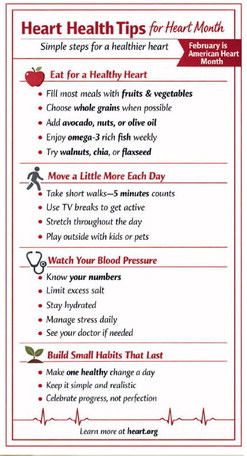
Nutrition is a natural place to begin. Carpenter suggests adding one heart healthy choice each day, whether a nutritious food or a small burst of activity FEBRUARY IS HEART HEALTH MONTH
that gets the heart rate up.
“For the next four weeks try adding something good to your day. This might be a heart healthy food or an activity that gets your heart rate up. For example, adding an avocado to your toast and egg in the morning or to your sandwich at lunch provides both fiber and heart healthy fat along with vitamins and minerals,” Carpenter explained.
She also recommends eating omega 3 rich fish such as salmon, oysters, sardines, or tuna at least once a week.
For those who prefer plant-based options, walnuts, chia seeds, and flaxseed offer similar benefits.
National heart health organizations note that these foods can support healthy cholesterol levels and overall cardiovascular function.
Physical activity is another key component of heart wellness, and Carpenter emphasizes that even small movements count.
“When you are watching TV and a commercial comes on, do arm raises, leg lifts, stand up and sit downs, or gentle stretching,” she said.
Know your numbers.
Move daily. Eat smart.
Short indoor walks can also help build consistency. Carpenter suggests starting with five minutes and gradually working up to twenty. Outdoor play with children or visits to local parks can add movement in a fun, social way. According to the American Heart Association, accumulating activity in short intervals throughout the day can be just as beneficial as longer workouts when done regularly.
Carpenter also stresses the importance of monitoring blood pressure, noting that hypertension often has no symptoms. She shared a deeply personal reminder of why awareness matters.
“My sweet mom had a stroke when she was 56 years old that left her with hemiparesis on her left side,” she said. “She had hypertension that was not controlled.”
High blood pressure places tension on blood vessels, especially the smaller ones, and over time that strain can increase the risk of heart attack or stroke. Carpenter encourages individuals with elevated readings to speak with a healthcare provider about ways to manage it and to stay consistent with follow up care.
Carpenter hopes residents will take small, intentional steps toward better wellness as Heart Health Month continues.
“My hope is that you will take the time to focus on your heart health this month by adding healthy foods and activities to your daily routine,” she said.
Heart Health Month serves as a reminder that meaningful change often begins with simple choices. Whether through improved nutrition, daily movement, or greater awareness of blood pressure, small habits can build toward long term well being. Local healthcare providers encourage community members to use February as a starting point for healthier routines that can last throughout the year.